20 Images Of Norwegian Architecture Plucked Straight From A Fairytale

snowmadien:

culturenlifestyle:

image

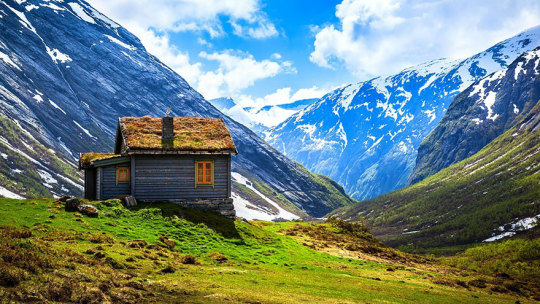
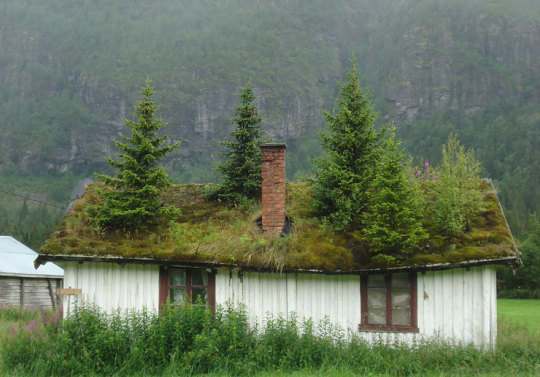
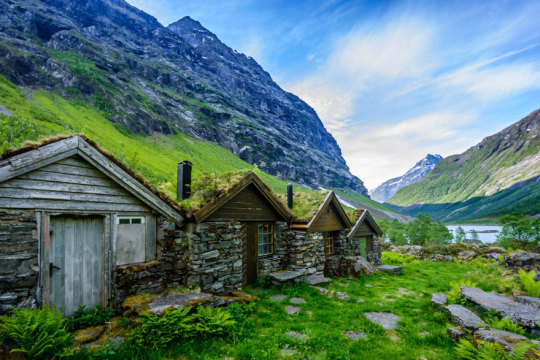
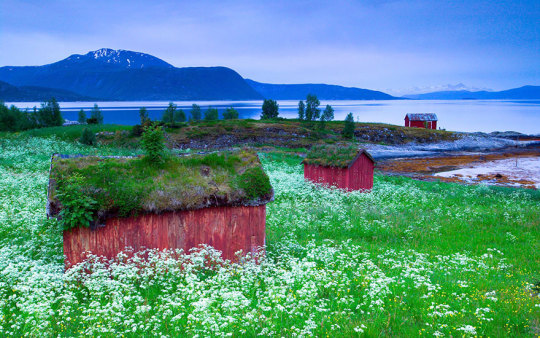
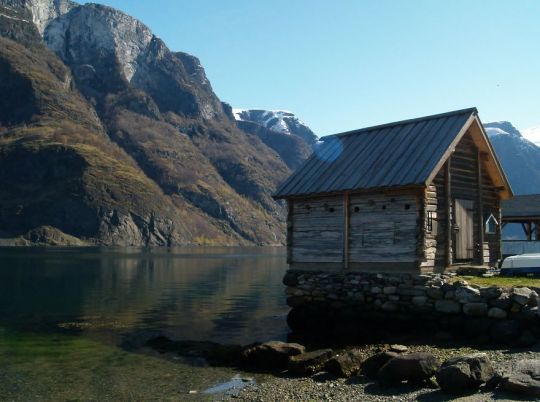
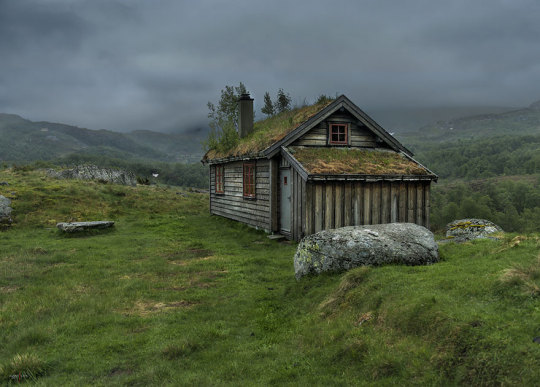
The Norwegian countryside is strewn with architecture that looks better suited to crown the pages of a fairytale book. More commonly known for its Vikings heritage and fjords, these photographs display a wide variety of architectural styles that have been used throughout the Middle Ages to the 19th century in Norway. Check out the stunning collection below.

Crooked and towering wooden churches beckoning like an old crone’s fingers, winding stone path weaving through a forest, hidden waterfalls and lonely wooden cabins overlooking a vast valley at its base are some of the outlandish homes and architectural designs we have featured in this series. Teetering Stave churches, eerie waterfalls cascading down like a creature with its own mind, wooden homes made in the typical Norwegian indigenous style called byggeskikk have none of the linearity or conformity that modern buildings do, and have whimsical elements that heighten its sense of magic.  

Each of these structures below have a particular way of being set into its own environment, standing out from the elements without obstructing nature. Most of the buildings and bridges and pathways have been built with stone and wood balance the scene it has been engineered upon.

image

Barn In Valldal

image

Renndølsetra

image

Ancient Road Vindhellavegen

image

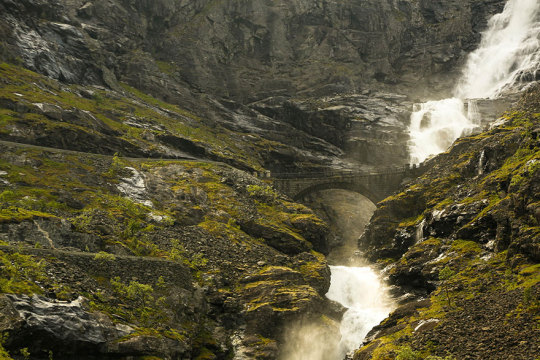
Bridge Over Låtefossen Waterfall

image

Kvednafossen Waterfall In Norway

image

Old Farmhouses

image

At The End Of The World, Tjome

image

Natural Swimming Pool In The Forest

image

Old House

image

House In Norway

image

Fjord Houses

image

Old Village

image

Fisherman Hut, Undredal

image

Bridge In Norway

image

Rogaland, Gullingen

image

Lake Bondhus

image

Small House In Norway

image

Fairy House In Hunderfossen, Lillehammer

image

Under The Aurora

h/t: boredpanda

@mangaguitar96 second to last one looks like the fairy tail guild

@snowmadien you’re right… we’re heading to Norway. Now!

Tutorial: Expressions~

snowmadien:

the-orator:

First off, I gotta start off with the typical Disclaimer.

*ahem*

This is a tutorial based off of MY knowledge and MY experience. My advice is just that, advice, and is not is anyway, shape or form, absolute. I am still learning and do not consider myself a professional or expert. Look at other sources, look at other materials, expand your inspiration, don’t just look at this tutorial and call it good. And most importantly have fun~

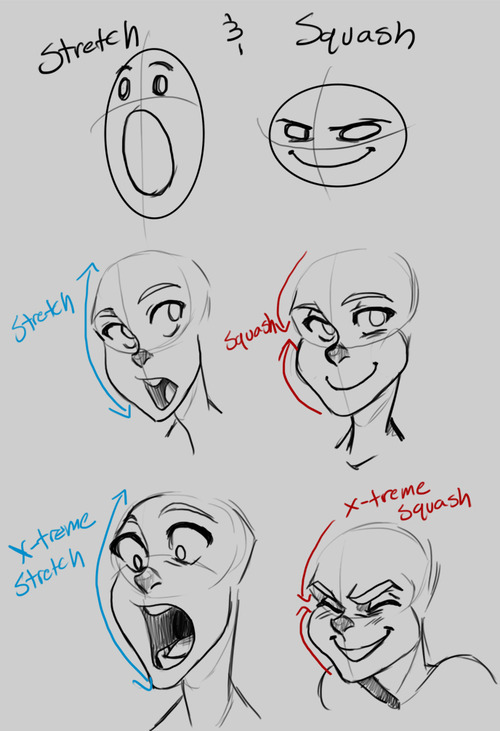
Alright, with that out of the way, before I can get to the actual expressions, we need to discuss an important concept known as “Squash and Stretch.” You’ve probably heard of it before. Squash and Stretch was a method that was invented (I use this term a bit loosely) by Freddie Moore, a Disney animator from the 1930s to 1940s. He was the animator for the Dwarves in Snow White and he gave these characters a spongy flexibility that made them feel more real and gave pliability to the face that made them come more alive.
image

Even outside the world of animation, Squash and Stretch is essential and you’re going to squeeze much more life out of your characters if you understand and are willing to push the weight and flexibility of their faces. This also doesn’t only apply to cartoons, look in the mirror and make funny faces and strange expressions and you’ll notice how squishy your face is.

The next concept to be aware of is the Acting Elements of the Face. This is a concept I never really thought about until I read Tom Bancroft’s Character Mentor, a book I have recommended many times. The Acting Elements are the basics of character expression and focuses on breaking down the elements of the face in order of importance to properly communicate an expression to the audience.  These are not set in stone and a lot of times their order can be switched around depending on the expression. This is the default order Bancroft uses in his book:

1)      The eyes

2)      The eyebrows

3)      The mouth

4)      The neck

5)      The nose

I’m not going to go into much detail about this; otherwise this tutorial will run on forever, so DEFINITELY give Character Mentor a look for a better understanding.

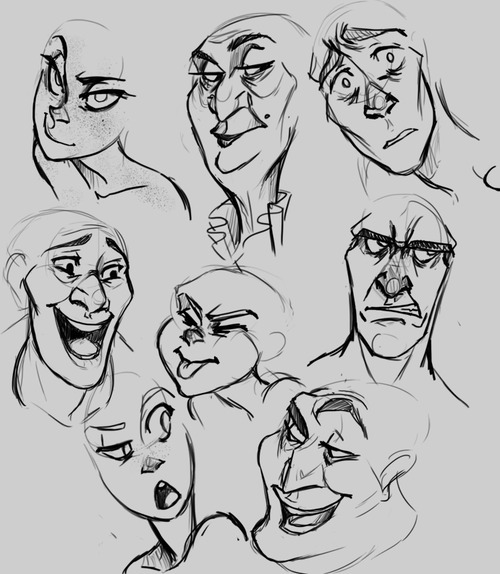
Here are some expressions I whipped up, notice the different ways each of the above elements contributes to the overall expression. Try to identify which element is strongest in each one. Also notice how some elements repeat (such as the use of the eyebrows in the bottom two) but they’re still different expressions.
image

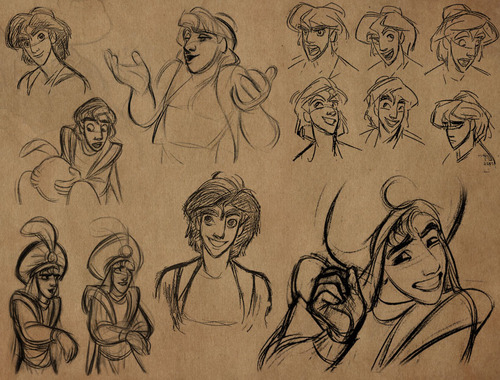
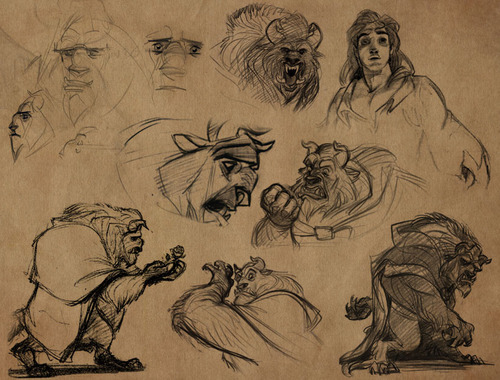
I personally find that I always build from the eyes out when building an expression. Ever heard the phrase “The eyes are the windows to the soul?” well guess what? THE EYES ARE THE WINDOWS TO THE SOUL!  This is why people look away when their embarrassed, why their gaze shifts when they’re lying, why their eyes grow wide in awe.  It’s what makes a hero seem cold when they hold their gaze at the display of heartless behavior or gives a villain a moment of redemption when they turn away from a cruelty.

Part of the reason why Glen Keane’s characters are so incredible is the way he expresses a character through their eyes. He says “If you’re going to make a mistake, don’t make it in the eyes. Because everybody’s looking at the eyes.” He creates these characters that are filled with passion and before that passion translates into body language or into an expression, if bursts out through the eyes.
image

image

image

image

Remember when I brought up that the order of the Acting Elements is flexible? As I said, I tend to start with the eyes when expressing and character but sometimes that just doesn’t “work” with the character. Take a look a Max, from Cats Don’t Dance (if you haven’t seen the film, I highly recommend it, even if just for the animation).  His face is almost ALWAYS in the same position, with the same expression, completely stiff. The only thing that moves is his mouth and it’s animated in a way that is both comical and intimidating! This is a common theme with his character, fluid motion against unmoving bulk.  It contrasts and guess what? Contrast creates interest! <——Remember this phrase, because it applies to everything!

image

Next, pushing your expressions. Don’t be afraid to add that extra “umph” to a characters expression. Unless you’re animating, you don’t have the luxury of constant motion and steady frames, so make the most of a scene, make it clear to your audience what your character is feeling. Check out some of these simple examples below.

image

Now some of you probably thought the first expression was better than the second. And you know, you may be right! Sometimes a subtler expression speaks volumes more than a more obvious one. It’s important, however, to understand to how to make the most use of your character’s face. But in the end it all boils down to the character. Which leads me to my final segment of this tutorial…

A character should express themselves through their emotions. Just like costumes, colors, body language, etc. expressions are ultimately a tool used describe a character, to visually tell a story about them.  When dealing with different characters, try to avoid “recycling” expressions, ESPECIALLY in the same scene/picture/moment. A good exercise is to draw two or three different characters with the same emotion but give them different expressions.

Or better yet, draw them reacting to the same situation.

image

Your goal should be to make each expression true to the character. Their expressions should tell the audience something about them. The same way you might bold a word or phrase to emphasize its meaning, a character should express themselves in ways that emphasize who they are.

@mangaguitar96

Definitely lol

sherlynteoh:

sherlynteoh-personal:

Arghhh it hurts… Anyway, please excuse my non-existent photography skills.

Just kidding… It doesn’t hurt anymore… That’s what I would like to say… But, it still hurts… Grrrr…. It’s still bleeding, dammit…

ok this is something I’d worry about. Cutting yourself is NOT the answer to your problems! You’re just making things worse! If you have problems just talk to someone. A friend, a relative, someone who will listen! This isn’t a joke and if this keeps going you’re going to end up in the hospital. You can talk to me if you want but seriously STOP CUTTING YOURSELF!

Tutorial: Expressions~

the-orator:

First off, I gotta start off with the typical Disclaimer.

*ahem*

This is a tutorial based off of MY knowledge and MY experience. My advice is just that, advice, and is not is anyway, shape or form, absolute. I am still learning and do not consider myself a professional or expert. Look at other sources, look at other materials, expand your inspiration, don’t just look at this tutorial and call it good. And most importantly have fun~

Alright, with that out of the way, before I can get to the actual expressions, we need to discuss an important concept known as “Squash and Stretch.” You’ve probably heard of it before. Squash and Stretch was a method that was invented (I use this term a bit loosely) by Freddie Moore, a Disney animator from the 1930s to 1940s. He was the animator for the Dwarves in Snow White and he gave these characters a spongy flexibility that made them feel more real and gave pliability to the face that made them come more alive.

image

Even outside the world of animation, Squash and Stretch is essential and you’re going to squeeze much more life out of your characters if you understand and are willing to push the weight and flexibility of their faces. This also doesn’t only apply to cartoons, look in the mirror and make funny faces and strange expressions and you’ll notice how squishy your face is.

The next concept to be aware of is the Acting Elements of the Face. This is a concept I never really thought about until I read Tom Bancroft’s Character Mentor, a book I have recommended many times. The Acting Elements are the basics of character expression and focuses on breaking down the elements of the face in order of importance to properly communicate an expression to the audience.  These are not set in stone and a lot of times their order can be switched around depending on the expression. This is the default order Bancroft uses in his book:

1)      The eyes

2)      The eyebrows

3)      The mouth

4)      The neck

5)      The nose

I’m not going to go into much detail about this; otherwise this tutorial will run on forever, so DEFINITELY give Character Mentor a look for a better understanding.

Here are some expressions I whipped up, notice the different ways each of the above elements contributes to the overall expression. Try to identify which element is strongest in each one. Also notice how some elements repeat (such as the use of the eyebrows in the bottom two) but they’re still different expressions.

image

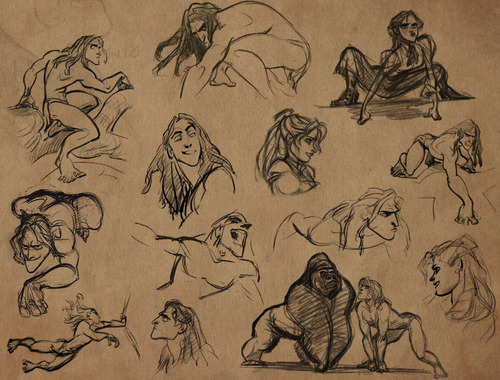
I personally find that I always build from the eyes out when building an expression. Ever heard the phrase “The eyes are the windows to the soul?” well guess what? THE EYES ARE THE WINDOWS TO THE SOUL!  This is why people look away when their embarrassed, why their gaze shifts when they’re lying, why their eyes grow wide in awe.  It’s what makes a hero seem cold when they hold their gaze at the display of heartless behavior or gives a villain a moment of redemption when they turn away from a cruelty.

Part of the reason why Glen Keane’s characters are so incredible is the way he expresses a character through their eyes. He says “If you’re going to make a mistake, don’t make it in the eyes. Because everybody’s looking at the eyes.” He creates these characters that are filled with passion and before that passion translates into body language or into an expression, if bursts out through the eyes.
image

image

image

image

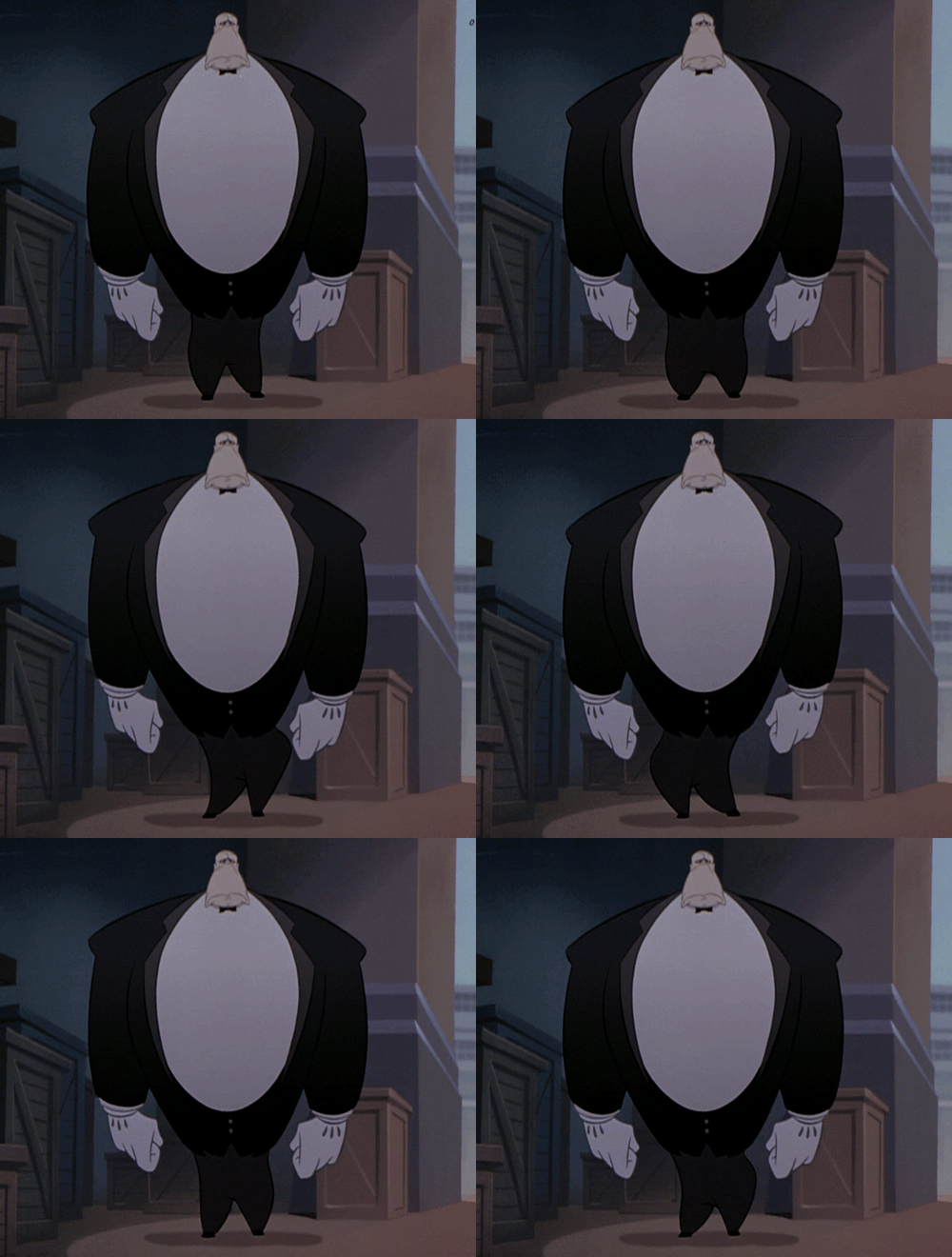
Remember when I brought up that the order of the Acting Elements is flexible? As I said, I tend to start with the eyes when expressing and character but sometimes that just doesn’t “work” with the character. Take a look a Max, from Cats Don’t Dance (if you haven’t seen the film, I highly recommend it, even if just for the animation).  His face is almost ALWAYS in the same position, with the same expression, completely stiff. The only thing that moves is his mouth and it’s animated in a way that is both comical and intimidating! This is a common theme with his character, fluid motion against unmoving bulk.  It contrasts and guess what? Contrast creates interest! <——Remember this phrase, because it applies to everything!
image

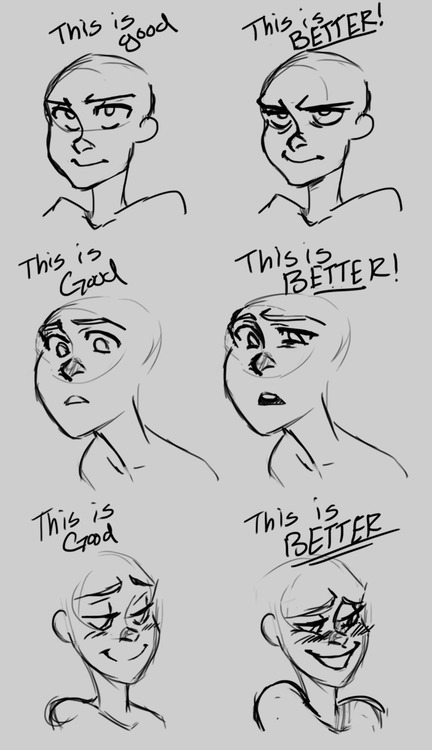
Next, pushing your expressions. Don’t be afraid to add that extra “umph” to a characters expression. Unless you’re animating, you don’t have the luxury of constant motion and steady frames, so make the most of a scene, make it clear to your audience what your character is feeling. Check out some of these simple examples below.
image

Now some of you probably thought the first expression was better than the second. And you know, you may be right! Sometimes a subtler expression speaks volumes more than a more obvious one. It’s important, however, to understand to how to make the most use of your character’s face. But in the end it all boils down to the character. Which leads me to my final segment of this tutorial…

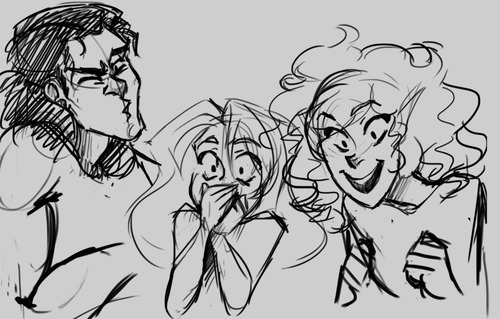
A character should express themselves through their emotions. Just like costumes, colors, body language, etc. expressions are ultimately a tool used describe a character, to visually tell a story about them.  When dealing with different characters, try to avoid “recycling” expressions, ESPECIALLY in the same scene/picture/moment. A good exercise is to draw two or three different characters with the same emotion but give them different expressions.

Or better yet, draw them reacting to the same situation.
image

Your goal should be to make each expression true to the character. Their expressions should tell the audience something about them. The same way you might bold a word or phrase to emphasize its meaning, a character should express themselves in ways that emphasize who they are.